Pain Management

Comprehensive
Pain Relief

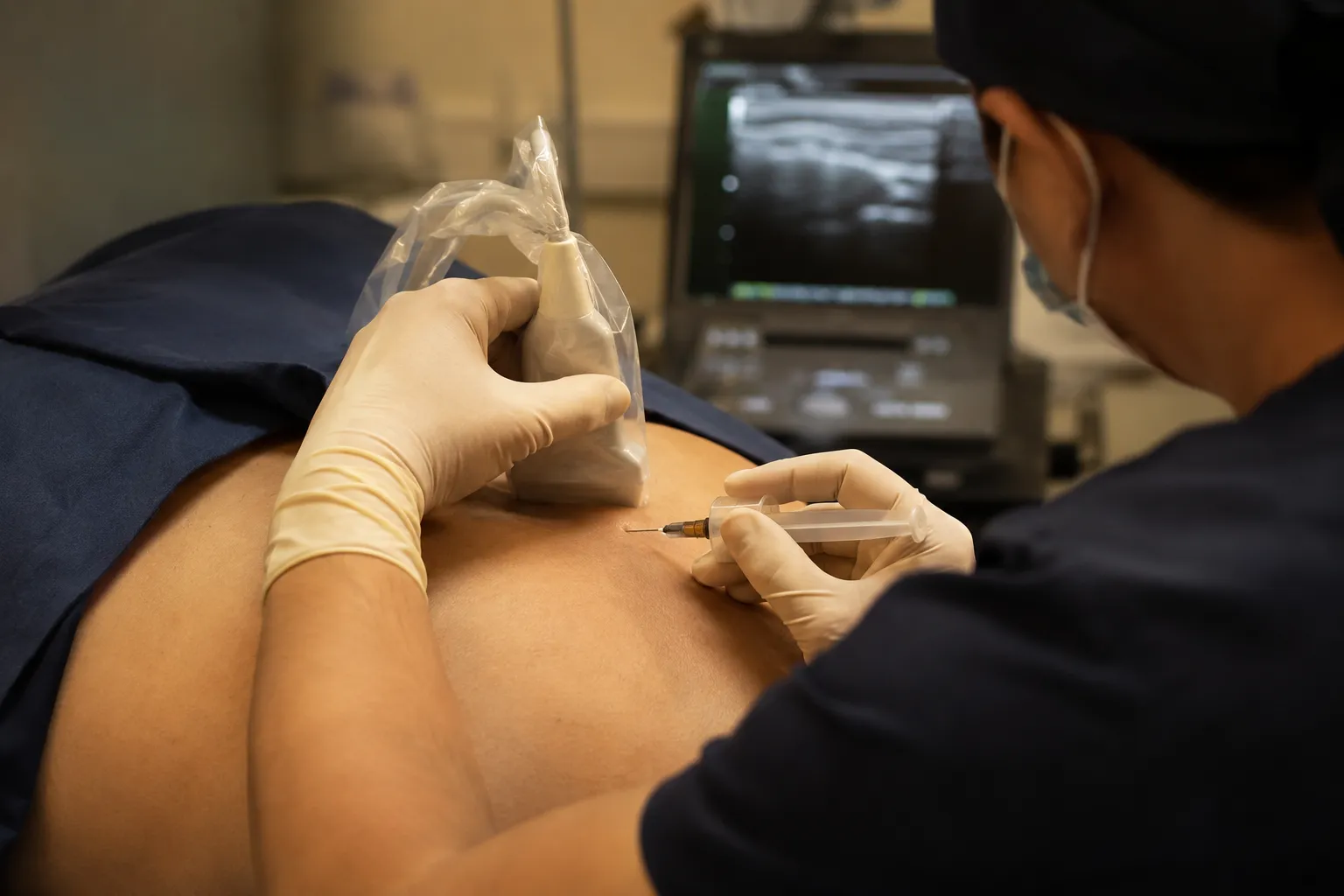
Targeted injections, regenerative options, and whole-person support for neck, mid-back, lower-back, pelvic, joint, and muscle pain.

Spine anatomy illustration for pain management treatment at Brain Spine Health Las Vegas

Our Approach

Treating the Source, Not the Symptom

Chronic and accident-related pain can involve irritated nerves, inflamed joints, muscle guarding, ligament injury, disc changes, and neurological factors. We start by identifying the structures most likely generating your pain.

Treatment may combine precise injections, regenerative medicine, medication management, rehabilitation, and lifestyle support so relief is not limited to one procedure alone.

Common Pain Concerns

Neck pain

Mid-back pain

Low-back pain

Sciatica

Headache and migraine pain

Joint pain

Muscle spasm

Accident-related injuries

Nerve pain

Chronic pain flares

Procedures by Region

Injection Options

Cervical (Neck)

Cervical Epidural Injection procedure illustration

Cervical Epidural Injection

Medication is placed near irritated cervical spinal nerves to reduce inflammation and radiating neck, shoulder, or arm pain.

Cervical Facet Injection procedure illustration

Cervical Facet Injection

Targets the small joints in the neck to identify and calm facet-related pain from arthritis, injury, or inflammation.

Botox for Cervical Dystonia procedure illustration

Botox for Cervical Dystonia

Botox is injected into overactive neck muscles to reduce spasms, abnormal posture, and pain from cervical dystonia.

Thoracic (Mid-Back)

Thoracic Epidural Injection procedure illustration

Thoracic Epidural Injection

An epidural injection in the mid-back can help pain from irritated thoracic nerves, disc issues, stenosis, or shingles-related pain.

Intercostal Nerve Block procedure illustration

Intercostal Nerve Block

Targets the nerves between the ribs to treat chest wall, rib, flank, or upper abdominal pain after injury or nerve irritation.

Lumbar (Lower Back)

Lumbar Epidural Injection procedure illustration

Lumbar Epidural Injection

Delivers medication around lower-back spinal nerves to help sciatica, disc irritation, stenosis, and radiating leg pain.

Lumbar Facet Injection procedure illustration

Lumbar Facet Injection

Targets inflamed lumbar facet joints that can cause low-back, buttock, groin, or leg-referred pain.

Medial Branch Block with Radiofrequency Ablation procedure illustration

Medial Branch Block with Radiofrequency Ablation

A diagnostic block can confirm facet pain; radiofrequency ablation may then quiet those pain signals for longer relief.

Sacral / Pelvic

SI Joint Injection procedure illustration

SI Joint Injection

Targets the sacroiliac joint to diagnose and treat inflammation that can cause low-back, buttock, hip, or pelvic pain.

Systemic / Multiple Regions

Trigger Point Injections procedure illustration

Trigger Point Injections

Medication is placed into painful muscle knots to reduce spasm and help myofascial pain patterns relax.

Joint Injection procedure illustration

Joint Injection

Medication or biologic treatment can be placed directly into painful joints such as the shoulder, hip, or knee.

Medication & Regenerative Options

Steroid, PRP, and Biologic Support

Many procedures can be performed with steroid medication or PRP depending on diagnosis, inflammation, tissue quality, recovery goals, and prior response to treatment.

Steroid Injections

Corticosteroid injections are a common treatment used to provide fast and effective relief from pain caused by inflammation in the spine or joints. Inflammation is often the source of pain when nerves, discs, or joint spaces become irritated and swollen. By delivering medication directly to the affected area, corticosteroid injections help reduce this irritation, allowing the surrounding tissues to calm down and function more normally. These injections are particularly helpful for conditions such as herniated discs or inflammation in the facet or sacroiliac joints. They can significantly improve quality of life by breaking the cycle of pain and inflammation, and can be repeated on a limited basis as part of a broader pain management plan tailored to your needs.

Steroid Injections illustration

PRP Therapy

Platelet-Rich Plasma (PRP) therapy is a regenerative treatment that uses your body's own natural healing abilities to repair damaged tissues and reduce pain. The process begins with a small sample of your blood, which is placed in a centrifuge and spun to concentrate the platelets. These platelets are rich in growth factors — powerful proteins that stimulate tissue repair, reduce inflammation, and support healing in joints, ligaments, tendons, and discs. By injecting this concentrated solution directly into the injured or painful area, PRP helps the body accelerate its natural recovery process. PRP is designed to promote true healing at the cellular level. Because the treatment relies on your body's biology, results are not immediate; most patients begin to notice gradual improvements in pain and function within 2–6 weeks, with continued benefits developing over several months.

PRP Therapy illustration

Peptides & Stem Cells

Peptides are short chains of amino acids that act as signaling molecules, instructing cells and tissues to carry out specific biological functions such as repairing damaged structures and regulating inflammation. Peptide therapy delivers targeted sequences of these molecules to optimize the body's regenerative processes and accelerate tissue repair. Stem cells are a unique class of cells capable of transforming into specialized tissue types (like cartilage or tendon) and releasing powerful cytokines that reduce inflammation and recruit the body's own repair cells. These advanced biologics are considered for patients with moderate to advanced osteoarthritis, chronic tendon or ligament injuries, and degenerative disc disease.

Peptides & Stem Cells illustration

Advanced Neuromodulation

Magnetic Peripheral Nerve Stimulation (mPNS)

Magnetic Peripheral Nerve Stimulation (mPNS) is an innovative, non-invasive therapy that uses electromagnetic induction to target specific peripheral nerves. By delivering focused magnetic pulses, mPNS safely passes through the skin to induce mild, targeted neuromodulation.

This gently activates your peripheral nerves, triggering cellular-level changes that help reset dysfunctional pain pathways. This FDA-cleared technology offers a powerful drug-free and needle-free alternative for managing localized chronic pain, addressing the root cause of discomfort without surgery.

During treatment, a specialized electromagnetic coil is placed over your targeted pain area, generating brief, focused magnetic fields. These pulses create mild micro-currents that directly activate your peripheral nerve fibers. This neuromodulation triggers the body's natural restorative processes, gradually helping to reset hyperactive nerve connections, block abnormal pain signals, and stimulate local blood flow to reduce inflammation.
What to Expect & Pain Types

The Sensation

mPNS is generally painless. During a session, you will typically feel a gentle, rhythmic tapping, pulsing, or a mild muscle twitch deep within the tissue as the magnetic fields activate your nerves.

Types of Pain Treated

  • Neuropathic Pain
  • Post-Traumatic Pain
  • Post-Surgical Pain
  • Joint and Arthritis Pain

Long-Term Support

Complementing Procedures With Healing Habits

We complement traditional treatments and injections with carefully selected nutritional supplements, physical therapy modalities, and mindfulness practices to support long-term healing and overall well-being.

Recommendations are individualized and may include specific supplements, referral-based therapies, and simple practices that help improve mobility, sleep, stress response, and recovery.

Support Options

  • Vitamin D
  • Magnesium
  • Fish oil
  • Physical therapy
  • Acupuncture
  • Chiropractic therapy
  • Meditation

Related Care

Where Pain Care Connects

Pain rarely arrives on its own. These are the parts of the practice patients here most often need next.

Injured in an Accident

If an attorney represents you on an open personal injury case, this care can begin now with payment deferred until the case settles.

How lien care works

Pain After a Head Injury

Neck and back pain after a head injury usually arrives alongside headache, dizziness, and cognitive change, which are evaluated neurologically.

Neurology & TBI in detail

What It Costs

Interventional procedures are quoted at consultation rather than listed, because the price depends on the injection, the level, and the guidance used.

How care is priced

Build a Pain Plan That Fits

Same-week appointments in Las Vegas. Cash-pay and personal injury lien options.